


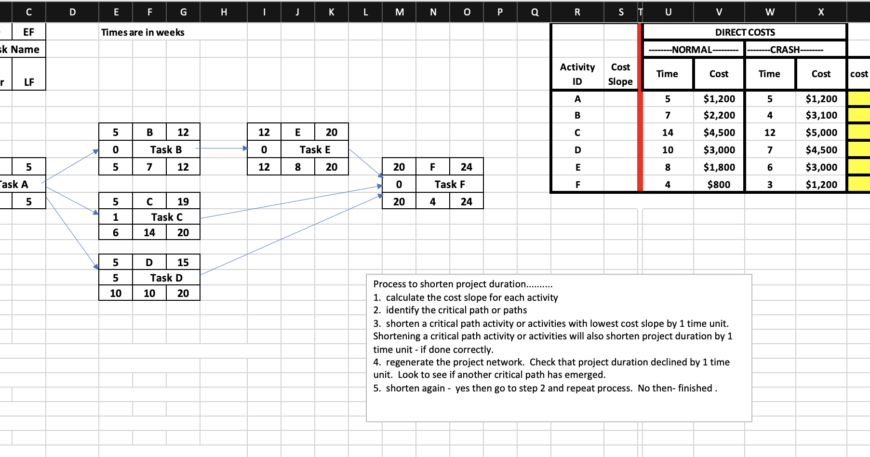
Spreadsheets have quietly become the backbone of many business operations. From billing and inventory to reporting, payroll, and operational tracking, Excel is often used far beyond its original intent. What begins as a simple, flexible tool gradually turns into a system that supports critical workflows. While this may seem efficient on the surface, the hidden costs of relying on spreadsheets for core operations can be far more damaging than most organizations realize.
Why Spreadsheets Become Mission-Critical
Excel is accessible, familiar, and quick to implement, making it a natural choice when processes are still evolving. Teams rely on it to track data, apply formulas, and generate reports without needing technical expertise. Over time, these spreadsheets become deeply embedded in daily operations, often replacing what should be structured systems. This dependence usually grows unnoticed—until problems start affecting performance and decision-making.
Operational Inefficiencies That Go Unnoticed
As data volume increases, spreadsheets demand more manual intervention. Teams spend hours entering data, cross-checking numbers, and resolving discrepancies between multiple files. These inefficiencies are rarely measured, yet they consume valuable time that could be used for higher-impact work. The lack of automation means even simple updates require repetitive effort, slowing down operations.
The Risk of Human Error
One of the most significant hidden costs of spreadsheets is error. A misplaced formula, overwritten cell, or accidental deletion can impact entire datasets. Because Excel offers limited visibility into changes, these errors often go undetected until they cause real business consequences. When spreadsheets drive critical decisions, even small mistakes can lead to costly outcomes.
Version Control and Data Fragmentation
Spreadsheets struggle in environments where multiple people need access to the same data. Files are duplicated, shared through emails or messaging platforms, and modified independently. Over time, different versions of the “same” data exist across teams, making reconciliation difficult and trust in the numbers fragile. Decision-makers are left questioning which version is accurate.
Security and Compliance Challenges
Excel was not designed with enterprise-level security in mind. Sensitive data is often stored without proper access controls, audit trails, or encryption. This creates compliance risks, especially in industries that require strict data governance. Unauthorized access or accidental sharing of confidential information can expose organizations to legal and reputational damage.
Limited Visibility and Slow Decision-Making
Spreadsheets provide static snapshots of data. Reports must be manually updated, and insights are often outdated by the time they reach leadership. Without real-time dashboards or automated reporting, businesses lose agility. Decisions are delayed, and opportunities may be missed due to a lack of timely information.
The Long-Term Cost of Delayed Transformation
Many businesses continue using spreadsheets because migrating to software feels complex, expensive, or disruptive. However, delaying this transition increases long-term costs. As operations grow, spreadsheets become harder to manage, and the effort required to fix problems multiplies. What could have been a simple upgrade turns into a major overhaul later.
From Spreadsheets to Software: A Smarter Approach
Moving away from spreadsheets does not mean discarding existing workflows. Converting Excel-based operations into custom software allows businesses to preserve logic, calculations, and processes while gaining structure, automation, and scalability. This shift reduces manual effort, improves data integrity, and enables teams to work more efficiently.
How Excelloite Supports This Transition
At Excelloite, we help businesses transform critical Excel workflows into custom web applications designed around their existing processes. Our approach focuses on speed and clarity—we deliver working software in just 48 hours, allowing teams to review and test before making any payment. With a pay-after-delivery model and best price guarantee, businesses can modernize their operations without the usual risks associated with software development.
When Should Businesses Act?
If spreadsheets are central to your operations, errors are increasing, reporting takes too long, or multiple teams depend on the same files, it’s a strong signal that the current setup is no longer sustainable. Addressing these challenges early prevents operational strain and supports long-term growth.
Final Thoughts
Spreadsheets are powerful tools, but they were never meant to run complex, growing businesses. The hidden costs—lost time, errors, security risks, and delayed decisions—accumulate silently. Recognizing when spreadsheets have reached their limit is the first step toward building more reliable and scalable systems.
With the right approach, the transition from spreadsheets to software can be smooth, cost-effective, and transformative—unlocking efficiency and clarity across the organization.